

5 Signs You Need a Tree Removal Company
Tree removal is an essential service that ensures safety and maintains the aesthetics of your landscape. Keeping trees healthy and stable is vital, yet there are situations where removal becomes necessary. This article will discuss key signs indicating the need to hire a professional tree removal company. By understanding these signs, homeowners can prevent potential hazards and maintain the appeal of their properties. Effective tree maintenance can prevent property damage, reduce safety risks, and preserve your home's value.
1. Physical Damage or Decay in Trees
Physical damage or decay in trees is one of the most obvious signs you need to hire a tree removal company. When you notice cracks, splits, or cavities in the trunk or large branches, it indicates structural weakness. Over time, these issues compromise the tree's integrity, making it susceptible to being uprooted or collapsing. Such damages could occur from previous storms, vehicle impacts, or simply old age. It is crucial to address these issues promptly to prevent further deterioration or potential hazards.
Fungal growth at the base of a tree is another sign of decay. Certain types of fungi decompose wood, indicating that the core of the tree might be rotting. If left unchecked, this decay can spread, weakening the tree structurally. Fungi presence can also signal that the tree is already dead inside, even if it still appears healthy from the outside. A qualified arborist from a reputable tree removal company can assess the extent of decay and determine if removal is necessary.
Dead or hanging branches pose significant risks, especially during high winds or storms. These branches can fall unexpectedly, causing injury or damage to property. Observing such branches should prompt immediate inspection by professionals. Today's Homeowner states that if half of the tree's crown is damaged, it likely needs to be removed. Keeping track of crown health is essential to deciding on timely tree removal, ensuring safety and preventing costly property damage.
2. Tree Pests and Disease Infestations
Pests and diseases are common threats to tree health and can necessitate removal if not managed timely. Signs of borers and insect damage include small exit holes on the bark and fine sawdust-like material around tree bases. These pests can hollow out trees from the inside, weakening their structure. An infested tree might not show symptoms until the damage is extensive and irreversible. An assessment from a tree removal company can clarify whether treatment is possible or whether removal is the safer choice.
Parasites such as mistletoe can also weaken trees. While some trees tolerate a parasitic presence, excessive infestation can lead to stunted growth and eventual death. Inspecting your trees regularly can help detect early signs of parasites, allowing for timely intervention. Left unmanaged, parasites can cause significant harm, warranting tree removal as a practical solution. Collaboration with arborists can help address parasitic issues and improve tree health.
Fungal infections like blight or cankers affect leaves, branches, and the tree trunk. These diseases weaken the tree, making it more susceptible to other infections and structural damage. Discolored or spotty leaves, coupled with premature leaf loss, can be indicators of such infections. Addressing fungal growth early can save a tree, but persistent problems might necessitate removal to protect surrounding vegetation. An experienced tree removal company can evaluate the situation and provide a suitable course of action.
3. Safety Hazards and Concerns
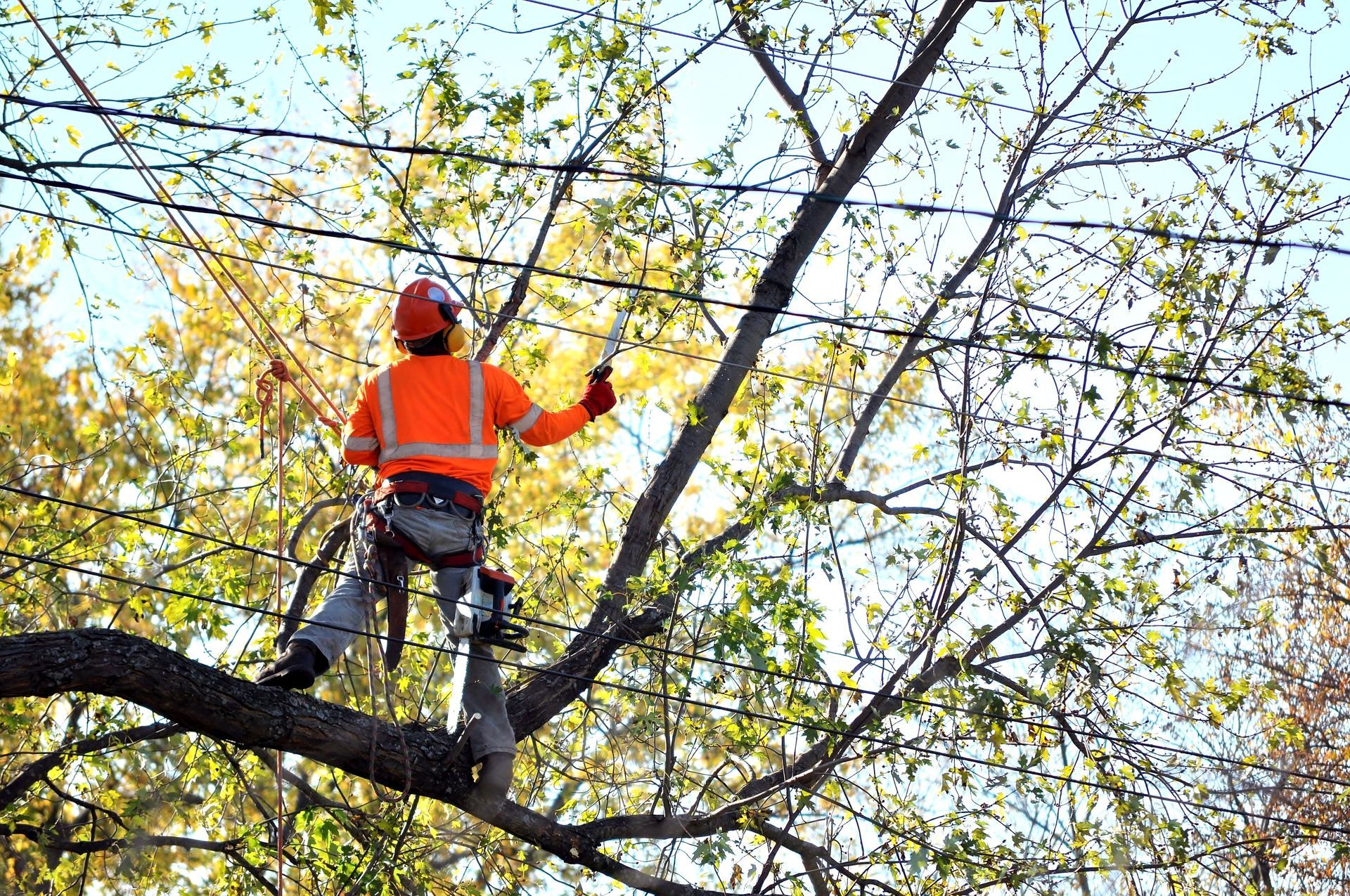
Trees located near power lines pose notable risks, primarily during storms. High winds can cause branches to touch or break onto power lines, leading to electrical hazards and outages. Proximity to these lines often necessitates the removal of the tree to prevent such risks. Utility companies may require trees encroaching on power lines to be trimmed or completely removed. Coordinating with a tree removal company supports safe and compliant tree management around power infrastructure.
Trees can also threaten the safety of buildings or other structures on a property. Large trees with overreaching branches can damage roofs, walls, and windows, particularly if nearby during storms. The risk also extends to root systems that might disrupt structural foundations, leading to costly repairs. Assessing the positioning and potential impact of a tree is crucial in mitigating these safety concerns. Engaging experts in early planning can help identify problematic trees before they become an issue.
Public safety is at risk when trees interfere with traffic or pedestrian walkways. Falling branches or leaning trees in such areas can lead to accidents and injuries. Ensuring that trees along roads and paths are regularly assessed will help address possible hazards before they materialize. Strategic tree management is crucial to preserving public safety and complying with local regulations. By working with a tree removal company, you ensure these areas remain safe and accessible for everyone.
4. Environmental and Growth Factors
Environmental considerations often play a role in tree removal decisions. Trees growing too close to structures or other plants can lead to space competition or property damage. Crowded growing conditions can stunt growth and lead to an unhealthy landscape. Maintaining an appropriate distance between trees and buildings ensures their healthy development. Sometimes, removal is the best strategy to restore balance and promote a thriving environment.
Additionally, a lack of space or insufficient sunlight can hinder a tree's ability to mature correctly. Trees need adequate room for their root systems to expand and support their growth. When space is limited, roots may deform, impacting overall tree health and stability. Managing tree placement prevents these conditions and promotes robust and healthy growth. A tree removal company can also help develop a strategic landscaping plan that accommodates current and future tree needs.
Soil condition, erosion, and environmental impact are critical factors in determining tree viability. Poor soil can negatively affect tree growth, leading to weak trees susceptible to disease and decay. Additionally, excessive soil erosion may loosen trees, risking root stability and increasing fall likelihood. Regular soil assessments and erosion control are crucial in maintaining an ideal tree-growing environment. Partnering with professionals ensures these challenges are discovered and managed effectively.
5. Legal and Financial Considerations
Legal implications play a significant role in tree removal decisions. Many local governments regulate tree removal, requiring homeowners to obtain specific permits or comply with zoning laws. It's important to familiarize yourself with the regulations in your area to avoid costly fines. Failure to adhere to legal ordinances can complicate tree removal projects and lead to unnecessary expenses. A knowledgeable tree removal company can review local requirements, support permit compliance, and simplify the process.
Liability and insurance coverage are vital elements to consider in tree management. If a tree poses a risk of causing injury or damage, a homeowner could be held financially responsible. Proactively addressing trees that present potential hazards helps avoid liability issues. Insurance companies often require trees to be maintained for continued coverage. Tree removal professionals can perform audits to identify and mitigate risks, offering peace of mind and financial protection.
Timely tree removal can also impact property value positively. Allowing damaged or dead trees to remain can detract from your property's aesthetics and market appeal. According to Today's Homeowner, the cost of delaying tree removal might escalate as further damage to structures or landscapes occurs. Having qualified personnel assess and address these trees ensures they do not negatively affect property values. Long-term financial planning should include potential tree removal costs to preserve asset value.
Recognizing the signs of when to contact a tree removal company can prevent hazards, encourage a healthy landscape, and uphold community standards. Timely action ensures your safety and enhances property value. Professional assessments and tree management strategies lead to informed decisions that protect your home and environment. Integrating preventive measures and regular maintenance helps avoid potential risks and fosters a healthy ecosystem. With expert guidance, you can enjoy the beauty and benefits of well-maintained trees, safeguarding your property for years to come. Call D&S Tree Service today to learn more.
Share On: