

Benefits of Regular Tree Trimming
The trees on your property do a lot of quiet work. They provide shade on hot summer afternoons, give your landscape character, and add value to your home. But like any other part of your property, they need consistent care to stay healthy and safe. Regular tree trimming is one of the simplest ways to protect your trees and everything around them. Whether you have a towering oak in the backyard or a row of ornamental trees lining your driveway, routine maintenance makes a noticeable difference in how they grow and how long they last. Below, we'll walk through the key benefits of keeping your trees trimmed and explain why working with professionals is the smart choice.
Improving Overall Tree Health
Trees are living things, and like any living thing, they can be weakened by disease, pests, and decay. Dead or dying branches don't just look bad; they can become entry points for fungi and insects that spread to healthy parts of the tree. Removing these limbs before problems take hold gives the tree a much better chance of staying strong.
Tree trimming also improves airflow and sunlight penetration through the canopy. When branches grow too dense, moisture can linger on leaves and bark, creating the damp conditions that many diseases thrive in. Thinning the canopy allows light and air to reach the interior of the tree, which supports healthy foliage and steady growth.
Another often-overlooked benefit is better nutrient distribution. When a tree no longer has to send water and nutrients to damaged or unproductive branches, it can direct those resources toward healthy limbs, new growth, and root development.
Protecting Your Home and Property
Overgrown branches can cause more damage than many homeowners realize. Limbs that hang over your roof can scrape shingles, clog gutters with leaves and debris, and give squirrels and other critters easy access to your attic. Branches that extend over driveways, sidewalks, and patios can also drop onto vehicles, outdoor furniture, or people walking below.
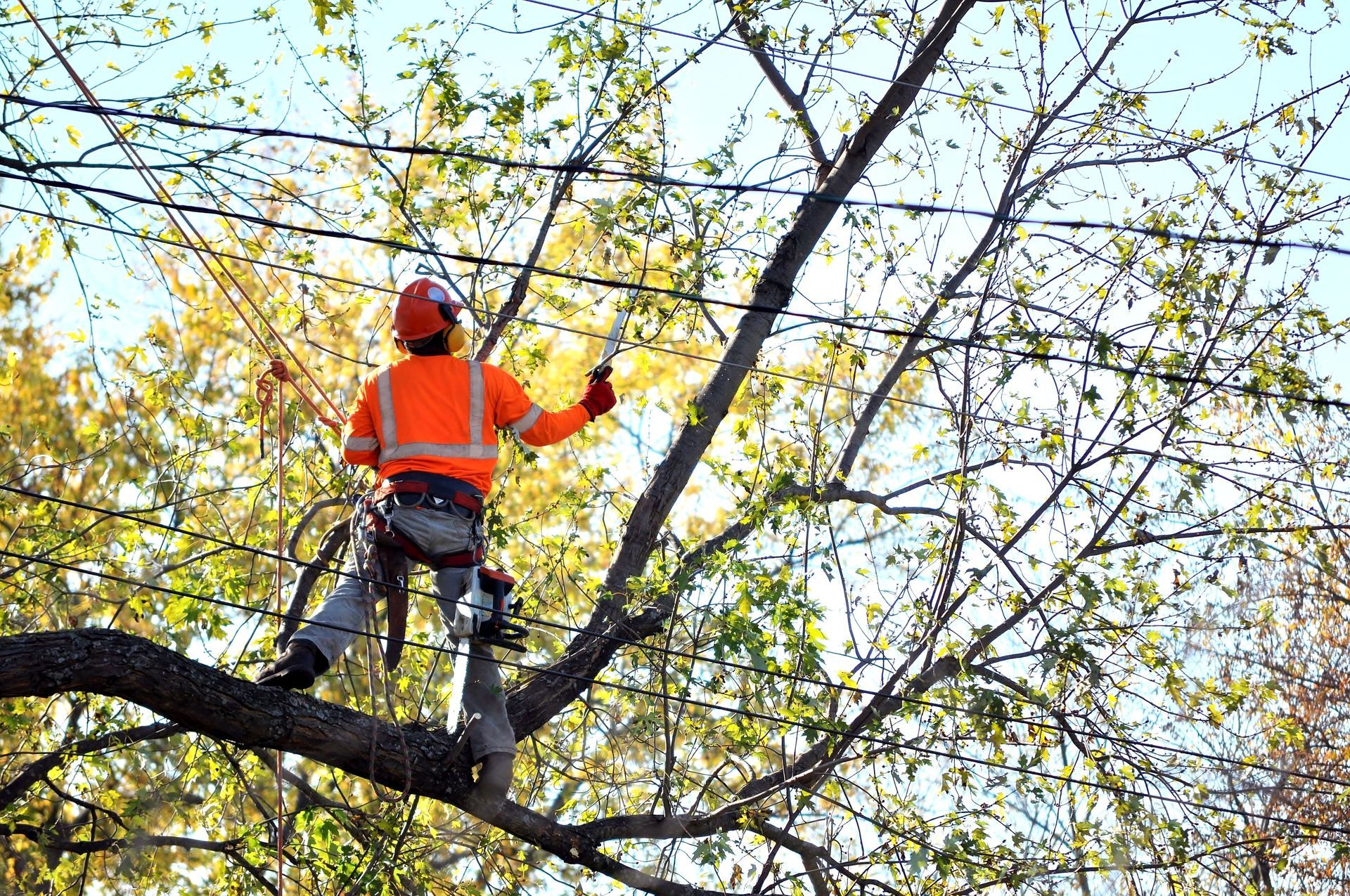
Routine tree trimming keeps branches at a safe distance from your home, garage, fences, and other structures. It also maintains clearance around walkways and driveways so your family and guests can move around your property without ducking under low limbs. If you have trees growing near utility lines, keeping those branches in check is especially important, though any work near power lines should always be left to trained professionals.
Reducing the Risk of Storm Damage
In central New Jersey, strong winds, heavy rain, and winter ice can put a lot of stress on trees. Weak, cracked, or overextended branches are often the first to break when severe weather rolls in. When those limbs come down, they can damage roofs, windows, cars, and anything else in their path.
Regular tree trimming removes vulnerable branches before a storm has the chance to bring them down. A well-balanced canopy is also less likely to catch the wind like a sail, which reduces the strain on the trunk and root system during high winds.
Even with good maintenance, storms can still leave trees damaged. According to Today's Homeowner, there are five things you should look at to evaluate a tree's health after a storm: hanging or broken limbs, cracks in the trunk, roots that are damaged or exposed, areas where bark is missing, and trees that are uprooted or leaning. If you notice any of these warning signs, it's a good idea to have a professional inspect the tree as soon as possible, since a damaged tree can quickly become unstable and dangerous.
Encouraging Strong Structural Growth
How a tree is trimmed when it's young has a major influence on how it grows for decades to come. Without guidance, young trees can develop competing leaders, crossing branches, or narrow branch angles that are prone to splitting later on. Strategic pruning helps establish a strong central trunk and well-spaced limbs that can support the tree's weight as it matures.
For mature trees, tree trimming helps maintain a balanced shape and prevents the canopy from becoming lopsided. An uneven canopy can put extra stress on one side of the tree, increasing the risk of leaning or limb failure over time. Consistent maintenance keeps growth in check and helps your trees develop the sturdy structure they need to withstand the elements.
Enhancing Your Property's Curb Appeal
Well-maintained trees make a big impression. Neatly shaped trees give your landscape a polished, cared-for look that boosts your home's curb appeal. On the other hand, overgrown trees with dead branches and tangled limbs can make even a beautiful home look neglected.
Regular tree trimming can also open up views, let more sunlight reach your lawn and garden beds, and help nearby shrubs and flowers thrive. If you're thinking about selling your home in the future, healthy and attractive trees can make your property more appealing to potential buyers. Even if you're not planning to move, a well-kept landscape is simply more enjoyable to come home to.
Catching Potential Problems Early
One of the most valuable benefits of routine maintenance is the opportunity it creates to spot problems before they become serious. When a professional is up close examining your trees, they can identify early signs of disease, insect activity, decay, or structural weakness that might be easy to miss from the ground.
Addressing these issues early often means a simpler, less expensive fix. A small area of decay or a single diseased branch can usually be handled with targeted pruning. Left alone, the same problem could spread and eventually require the entire tree to be removed. Scheduling regular tree trimming gives you a chance to stay ahead of these issues and protect the long-term health of your landscape.
Saving Money Over Time
It's easy to think of tree maintenance as an extra expense, but it often saves money in the long run. Preventing storm damage, roof repairs, and emergency removals can spare you from some of the largest tree-related bills a homeowner can face. Healthy trees are also less likely to need major treatments or complete removal down the road.
In our experience, many trees benefit from being trimmed every one to three years, though the right schedule depends on the species, age, and location of each tree. Sticking to a consistent maintenance plan helps spread out costs and avoids the stress of a sudden, urgent repair.
Relying on Professionals for the Job
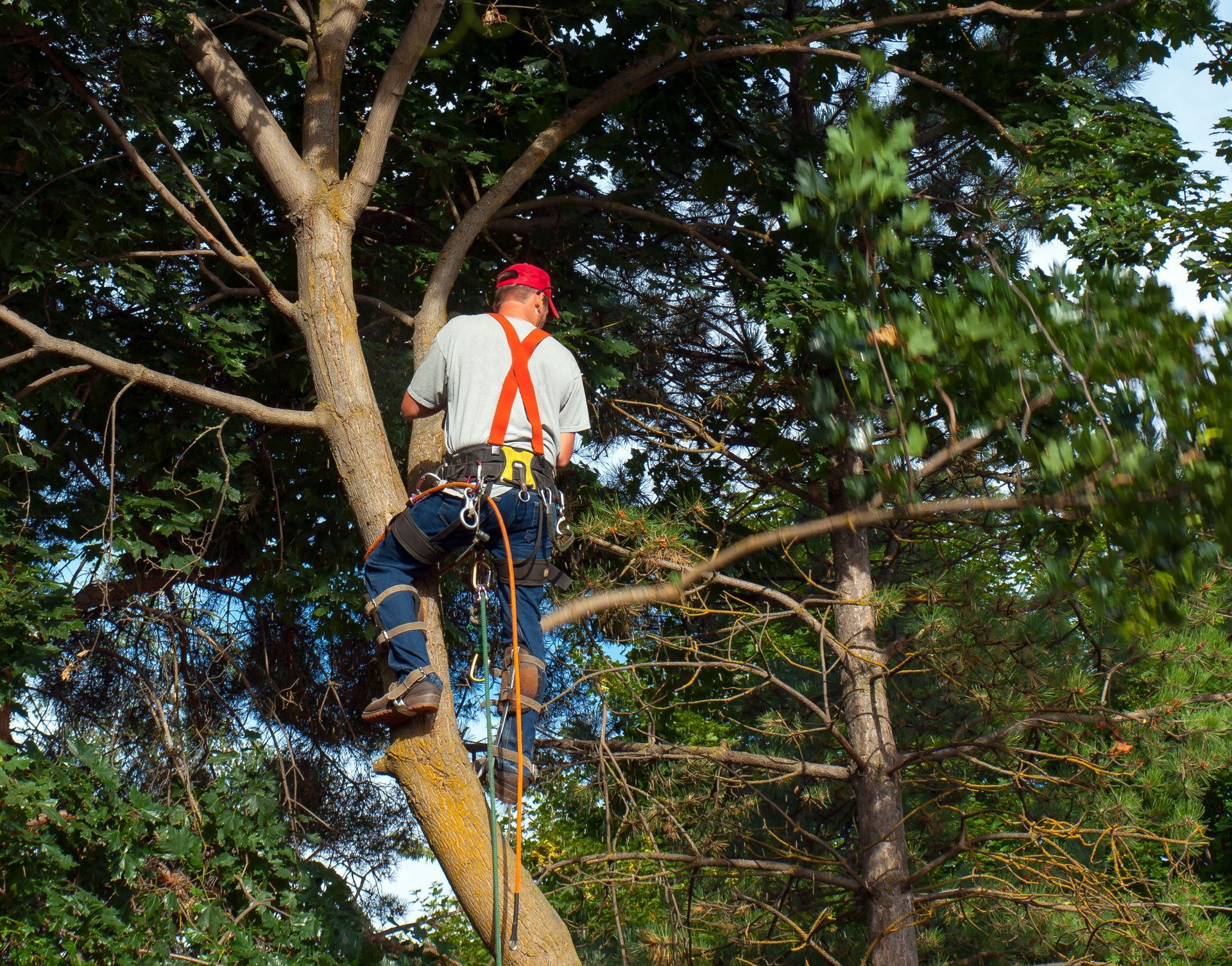
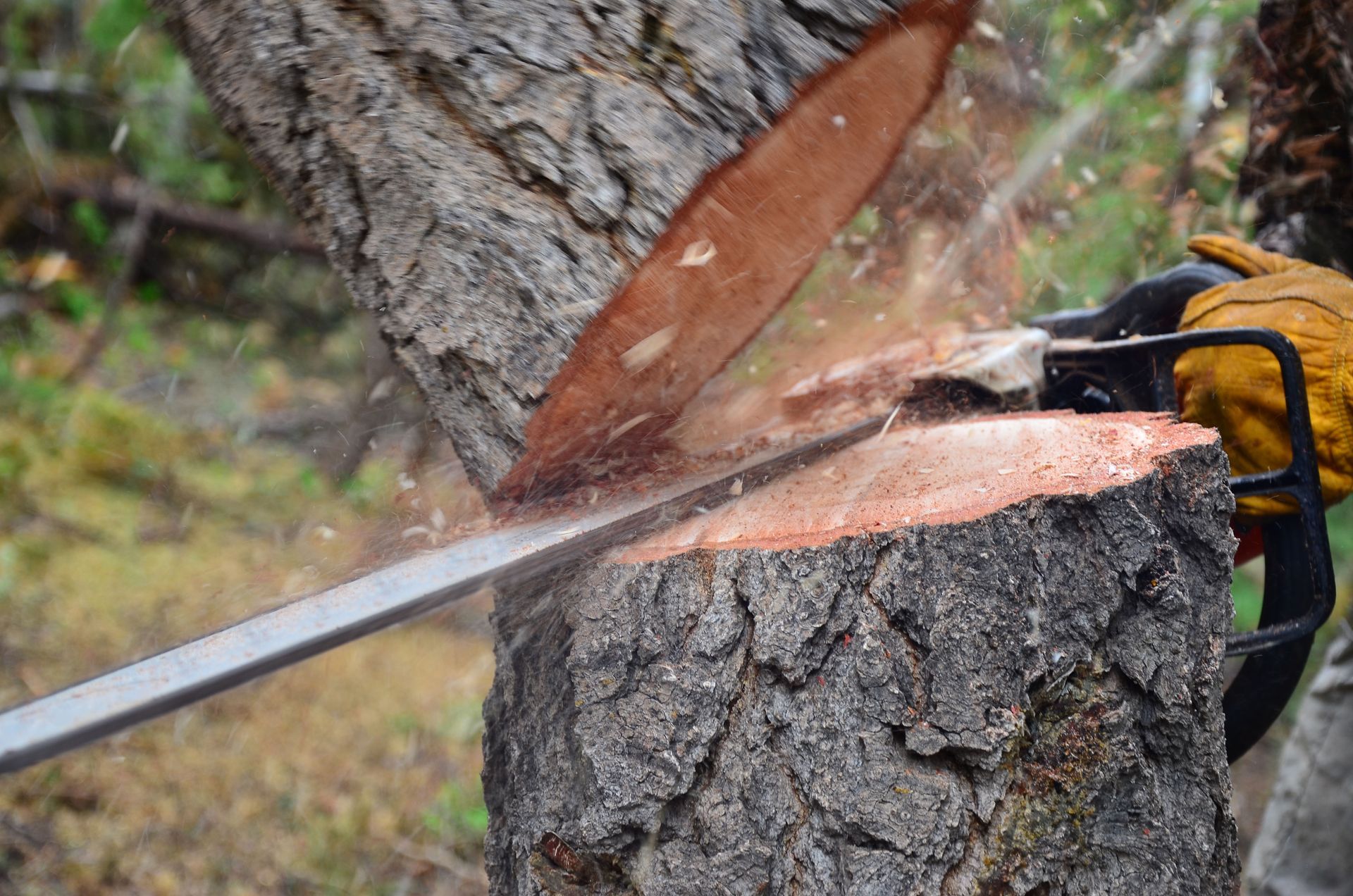
While it might be tempting to grab a ladder and a saw, tree trimming is not a job for the average homeowner. Working at heights with sharp tools is dangerous, and falling branches can be heavier and less predictable than they look. Improper cuts can also do lasting harm to a tree, leaving it vulnerable to disease or encouraging weak regrowth.
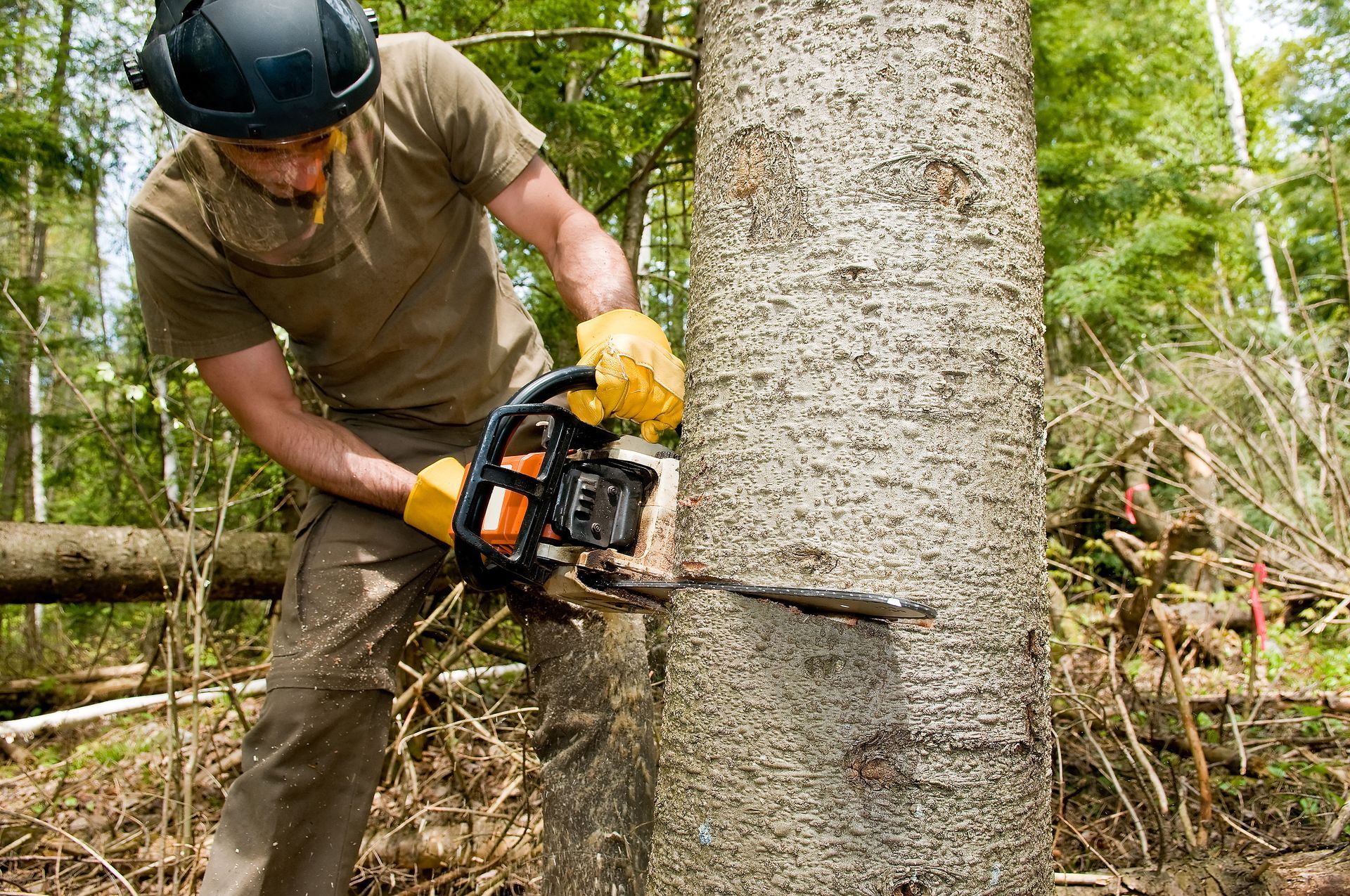
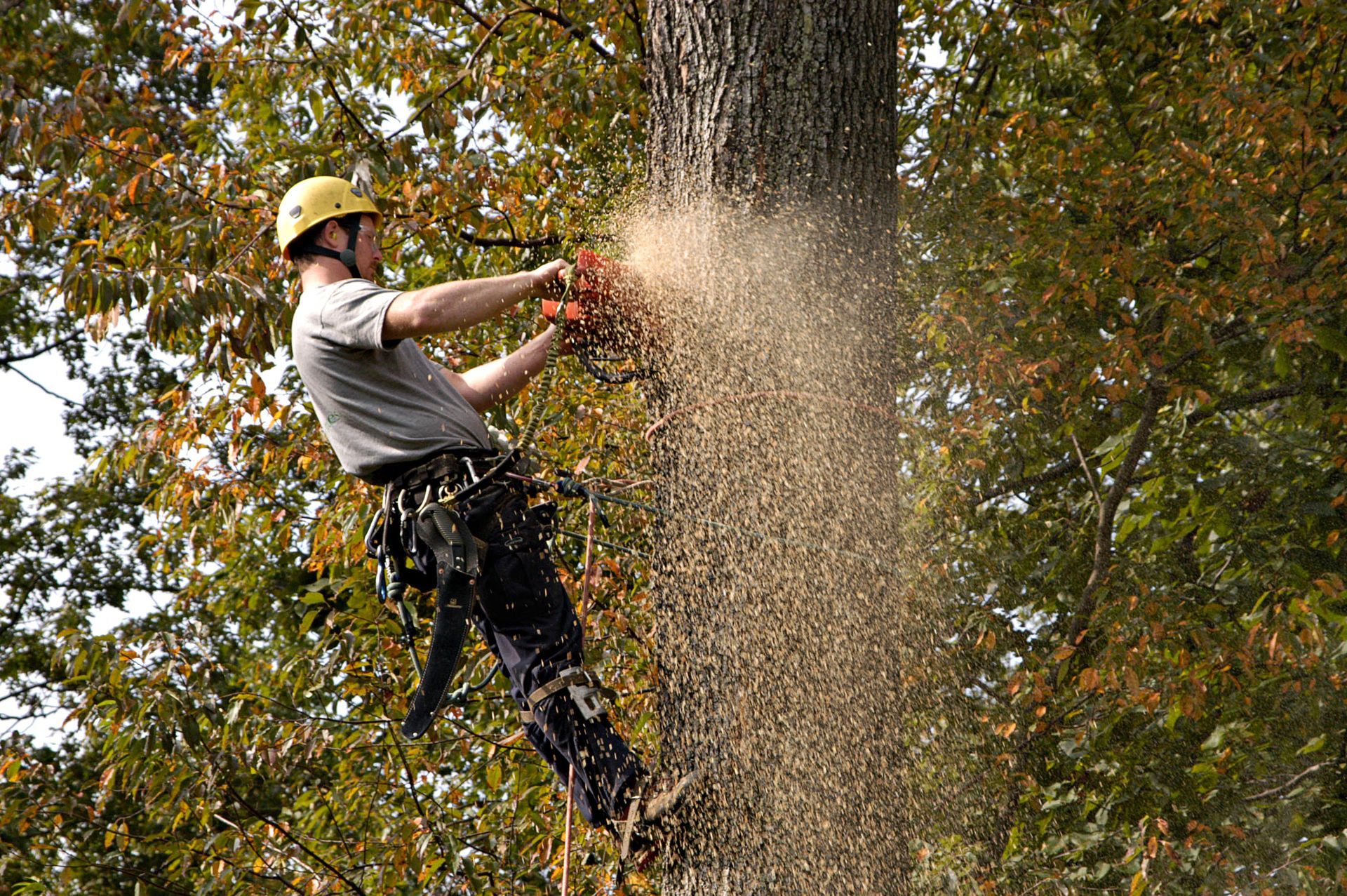
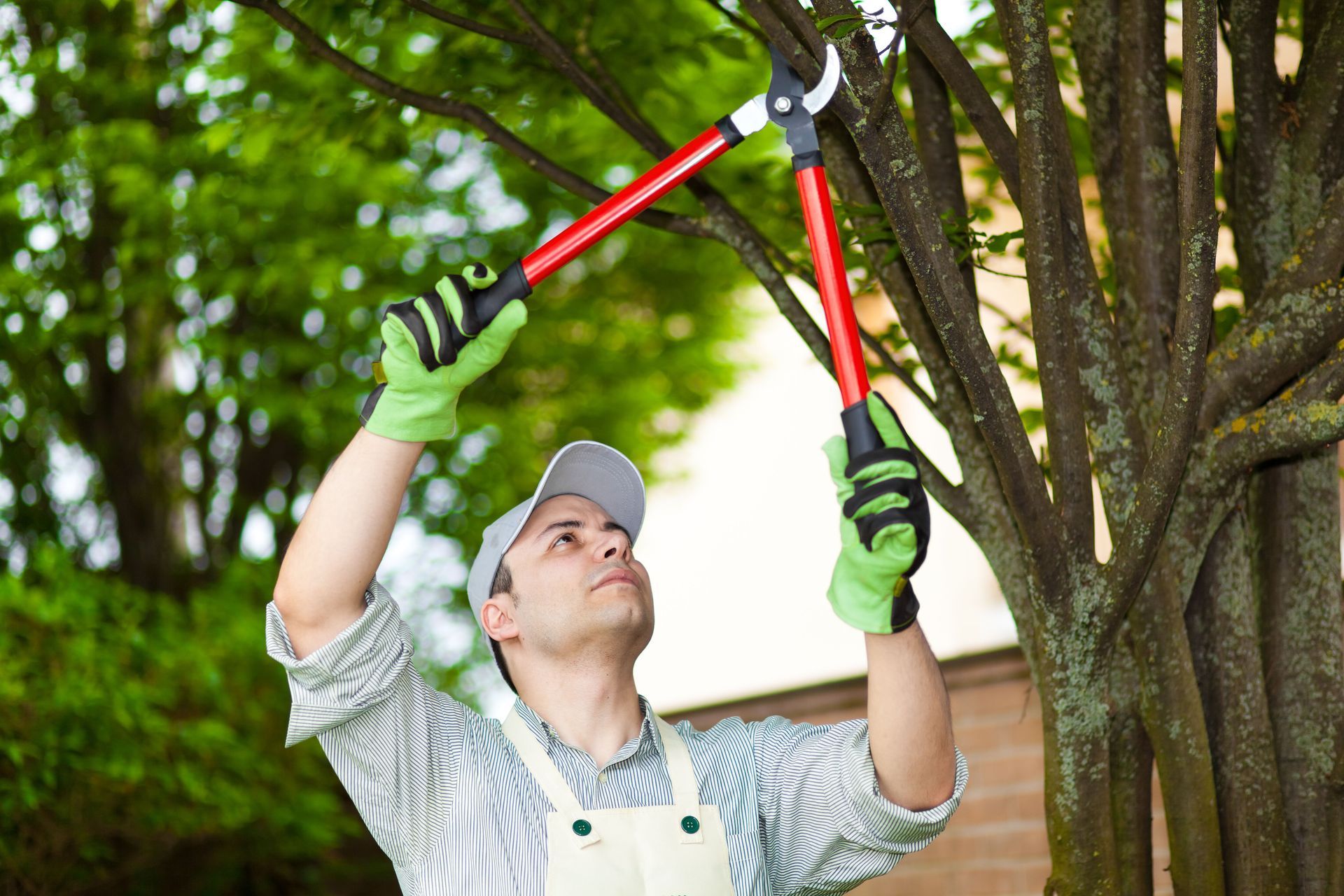
Professional tree care teams have the training, equipment, and experience to do the job safely and correctly. They know where and how to make cuts that promote healing and healthy growth, and they can assess each tree's condition to recommend the right level of pruning. They also handle cleanup, so you're not left with piles of branches and debris in your yard.
Regular tree trimming is an investment in the health, safety, and beauty of your property. From improving tree health and encouraging strong growth to protecting your home from storm damage and boosting curb appeal, the benefits add up year after year. At D&S Tree Service, we provide professional trimming, pruning, and tree and shrub care to keep your landscape looking its finest. Our licensed, bonded, and insured team has the equipment to handle trees of all sizes, including a 65-foot aerial bucket truck, and we're available 24/7 for storm damage emergencies. Contact us today to request a free estimate!
Share On: