

Tree Pruning Done Right: What Every Homeowner Should Know
Tree pruning is an essential part of landscaping that ensures the health and longevity of trees in any residential setting. It is not merely about trimming branches; it is about fostering an environment where trees can thrive. For homeowners, understanding the nuances of tree pruning can lead to healthier trees, improved house aesthetics, and even increased property value.
Throughout this article, we will explore essential aspects of tree pruning that every homeowner should be acquainted with. From understanding the basics to identifying when to seek professional help, this guide will provide thorough insights into effective tree care. With the right knowledge and tools, you can maintain the health and beauty of your trees for years to come.
Understanding the Basics of Tree Pruning
What is Tree Pruning?
Tree pruning refers to the selective removal of certain parts of a tree, such as branches, buds, or roots. The process is aimed at improving the tree's structure, promoting healthy growth, and removing dead or diseased wood. Pruning is both a science and an art, requiring an understanding of tree species, biology, and growth patterns.
When done correctly, pruning enhances a tree's natural shape without stunting its growth or harming its health. It involves thoughtful consideration of the tree's future growth and any potential safety hazards. For homeowners, understanding the basics of tree pruning can help maintain a landscape that not only looks good but is safe and sustainable.
The Benefits of Regular Pruning
Regular pruning offers numerous benefits, including promoting strong and healthy growth by directing energy towards robust parts of the tree. It improves air circulation and sunlight penetration, which are vital for photosynthesis and overall tree vitality. By removing dead or diseased branches, it enhances the tree's ability to resist pests and diseases.
Moreover, well-pruned trees are safer for homeowners and their property. Overgrown branches can pose a risk, especially during storms, by potentially damaging power lines, windows, or vehicles. By regularly inspecting and pruning trees, homeowners can prevent hazards and ensure their properties remain safe and attractive.
Pruning can also contribute to the tree's aesthetic appeal, maintaining a neat and balanced appearance. A well-pruned tree can be a beautiful focal point in a landscape. Homeowners benefit from increased property value and improved curb appeal, making tree pruning a worthwhile investment.
Identifying the Right Time to Prune
The timing of tree pruning is critical to achieving optimal results. Pruning at the wrong time can cause undue stress to the tree and may result in stunted growth or increased vulnerability to disease. Generally, late winter or early spring is the best time to prune most trees, as it is just before the growth season begins.
During these dormant months, trees are less susceptible to stress caused by pruning, and the risk of pest and disease infestations is lower. However, the ideal timing can vary depending on the tree species. Homeowners should research specific care guidelines for their types of trees or consult with an arborist for advice.
It is also important to recognize and avoid pruning during extreme weather conditions, such as heat waves or freezing temperatures. Such conditions can exacerbate pruning stress and hinder the tree's healing process. Observing local climate patterns can be beneficial for successful pruning.
Tools Required for Effective Pruning
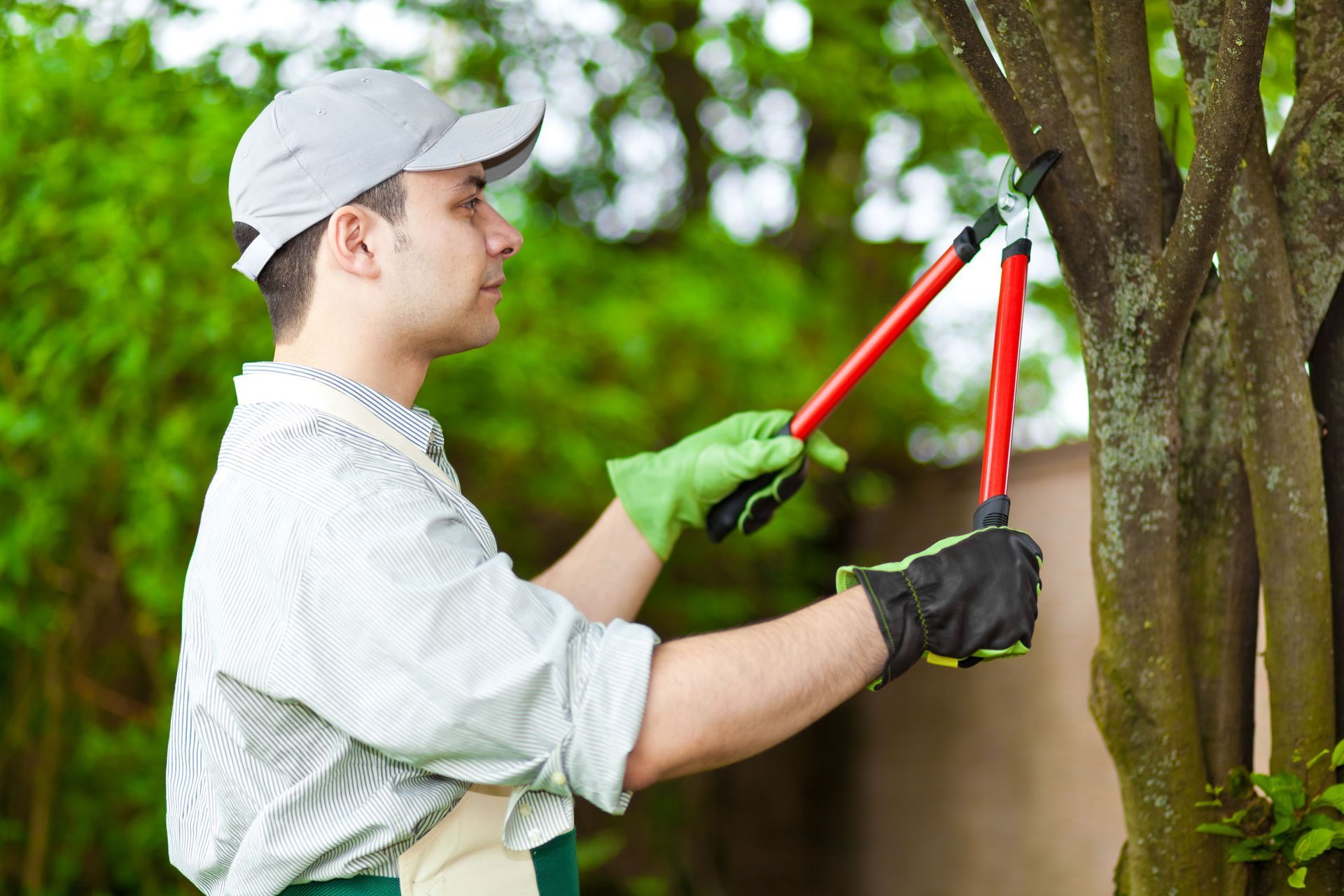
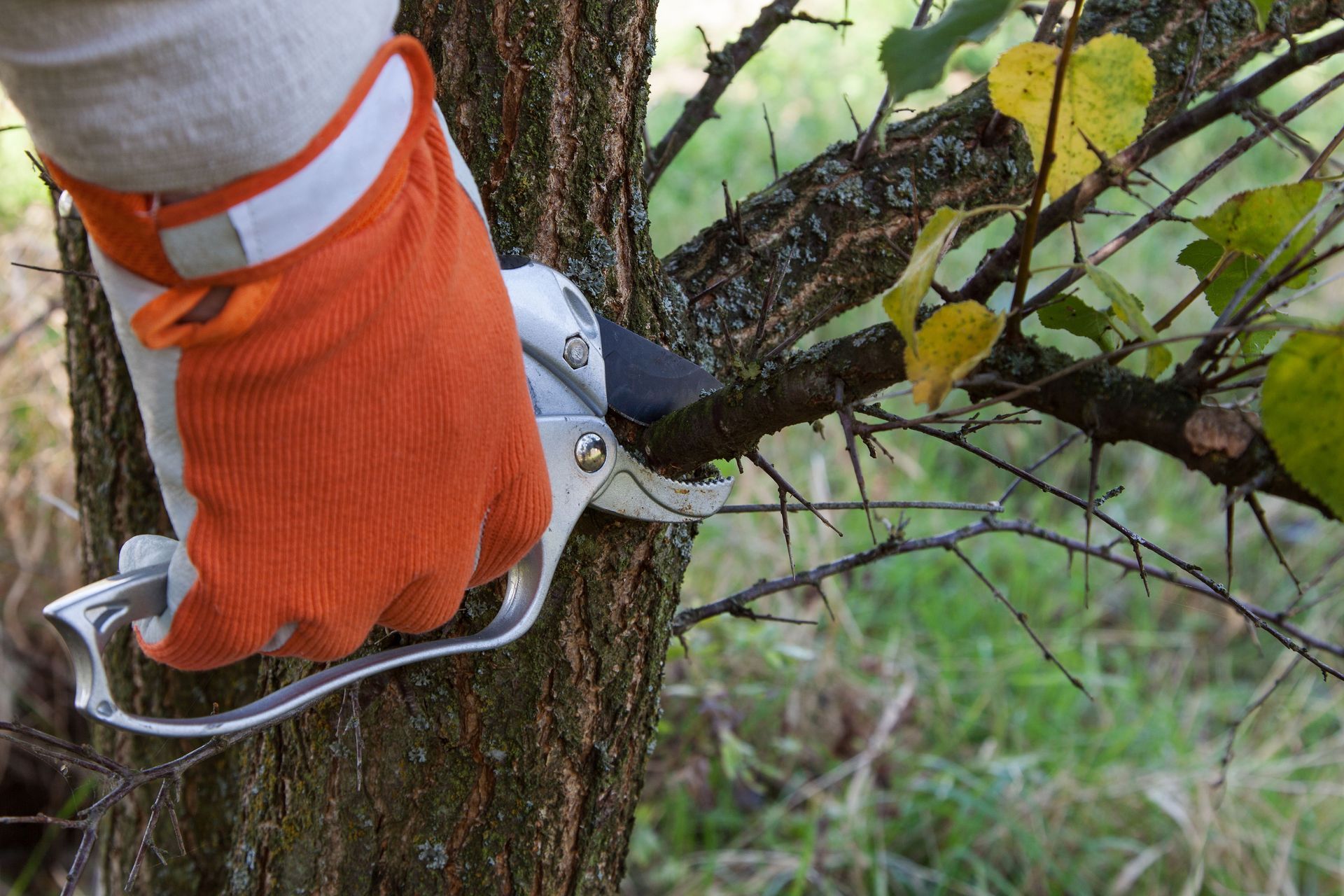
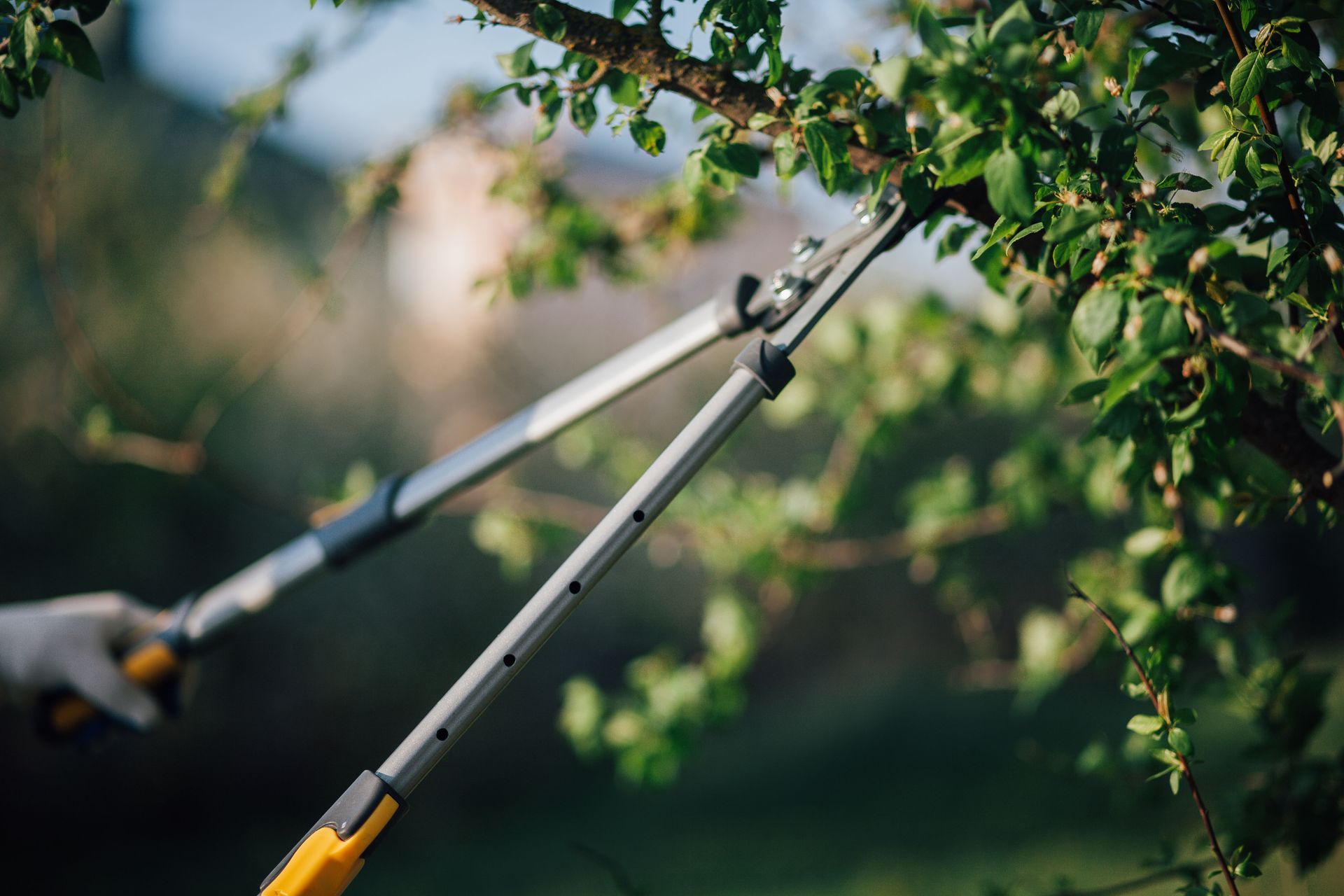
The right tools are essential for effective tree pruning, ensuring clean cuts and minimizing damage to the tree. Pruning shears are ideal for small branches, offering precision cuts that promote quick healing. Loppers work well for medium-sized branches, providing leverage for thicker stems.
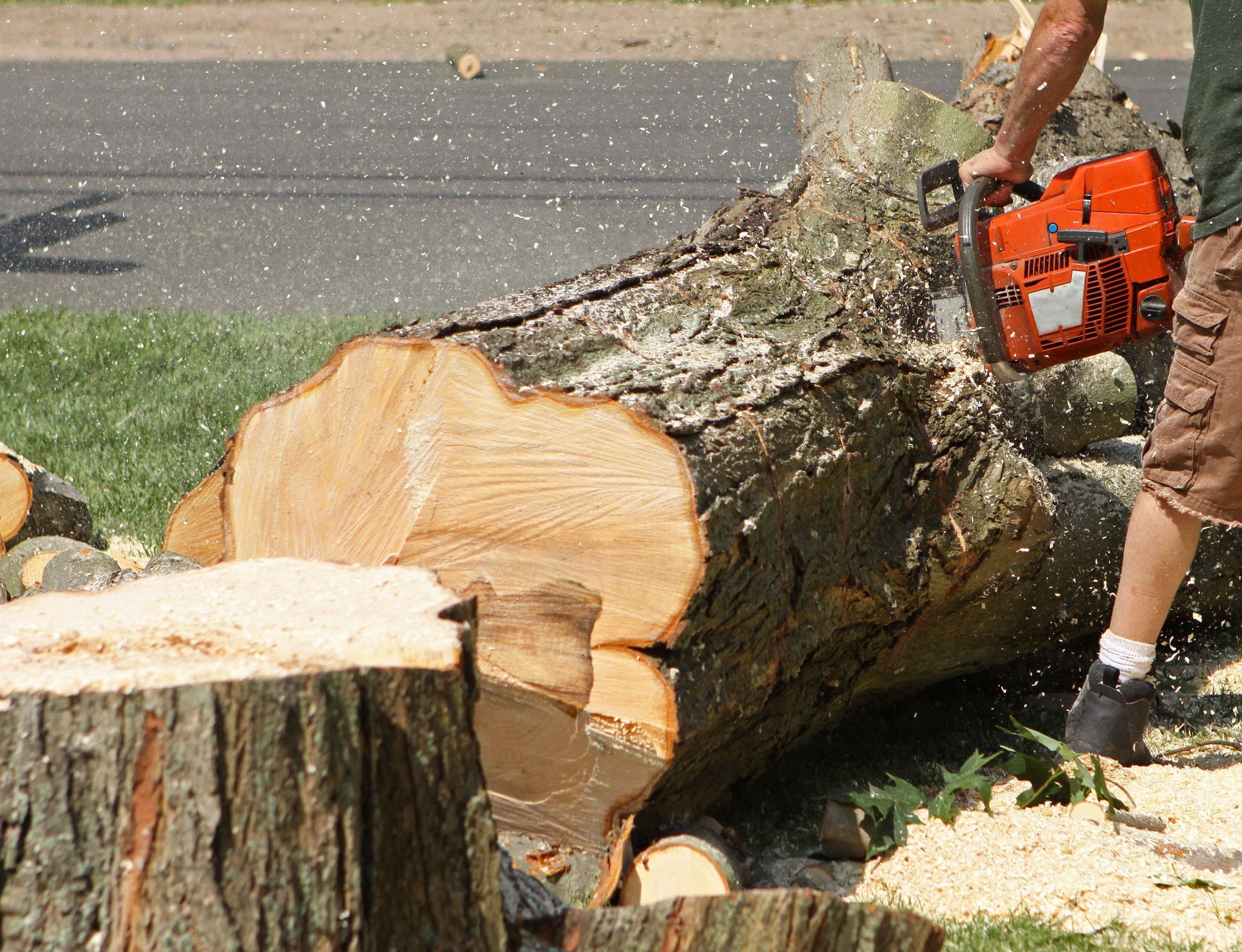
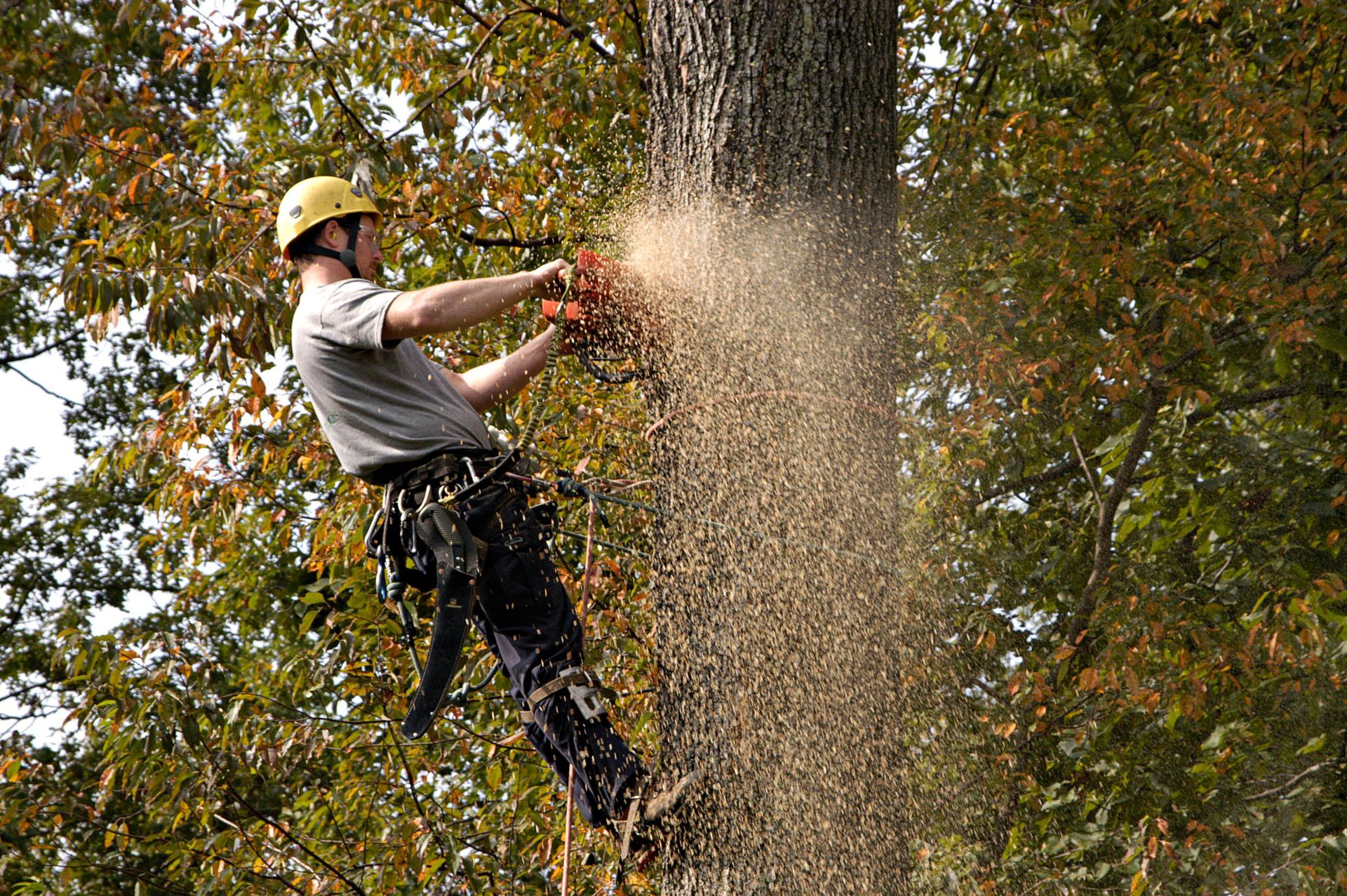
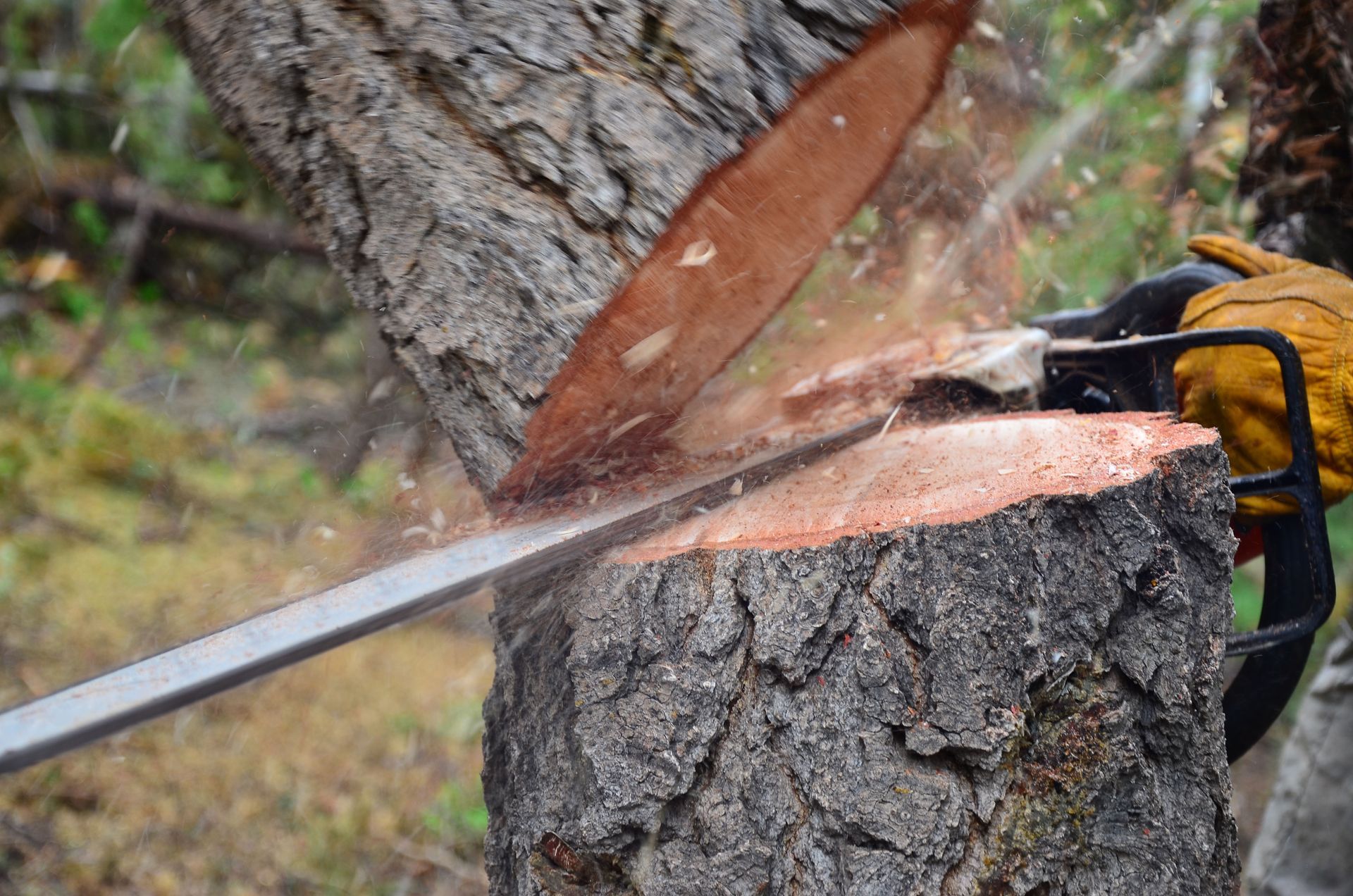
For larger branches, a pruning saw or chainsaw may be necessary. Understanding how to use each tool properly is essential to avoid injury or accidents during the pruning process. Maintaining sharp, clean tools helps achieve cleaner cuts and prevents the spread of disease.
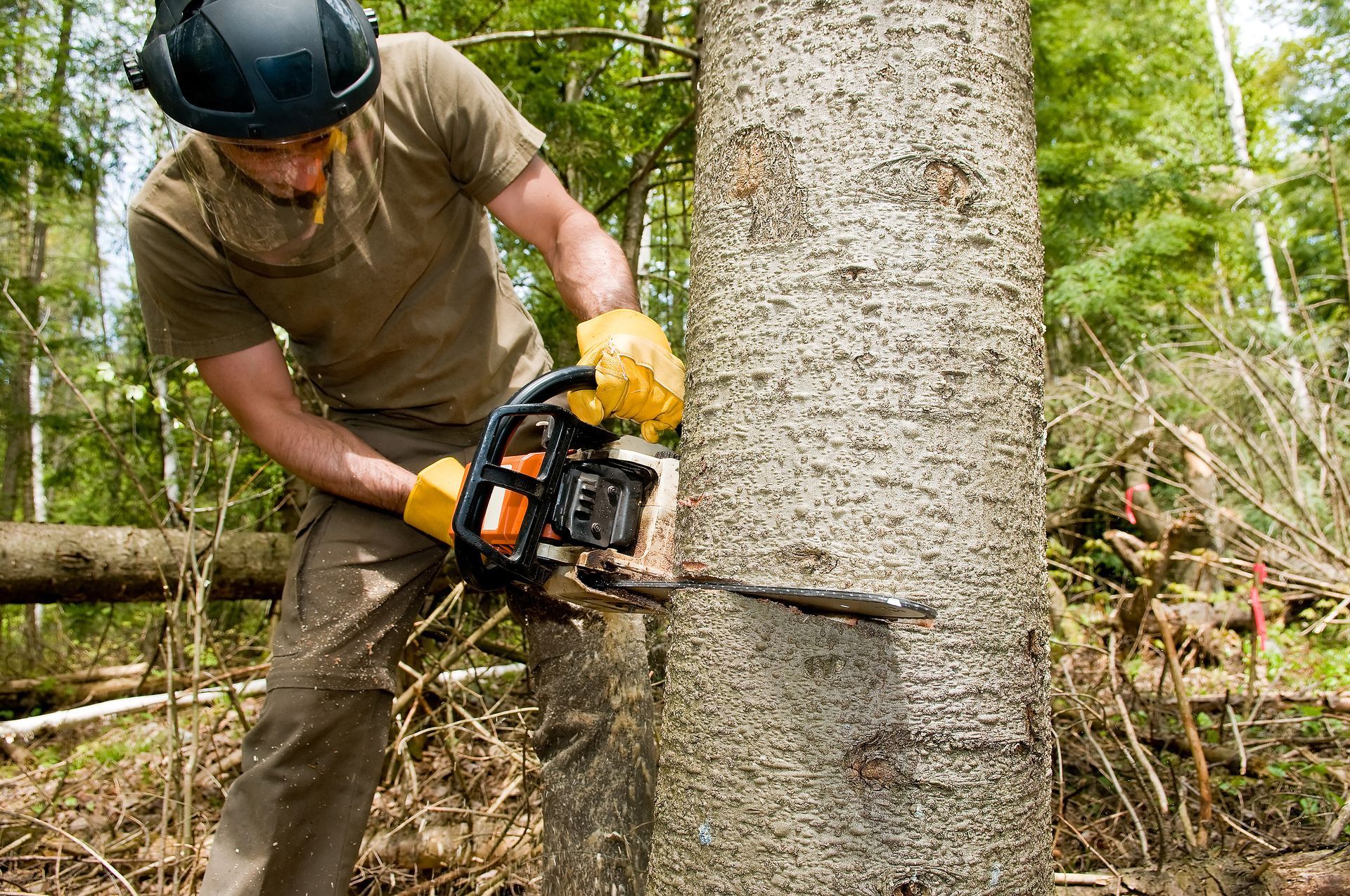
Additionally, having the appropriate personal protective equipment, such as gloves, safety goggles, and helmets, adds a significant layer of safety for homeowners undertaking pruning tasks. Proper equipment not only protects the user but also contributes to the overall effectiveness of the pruning process.
Safety Considerations When Pruning
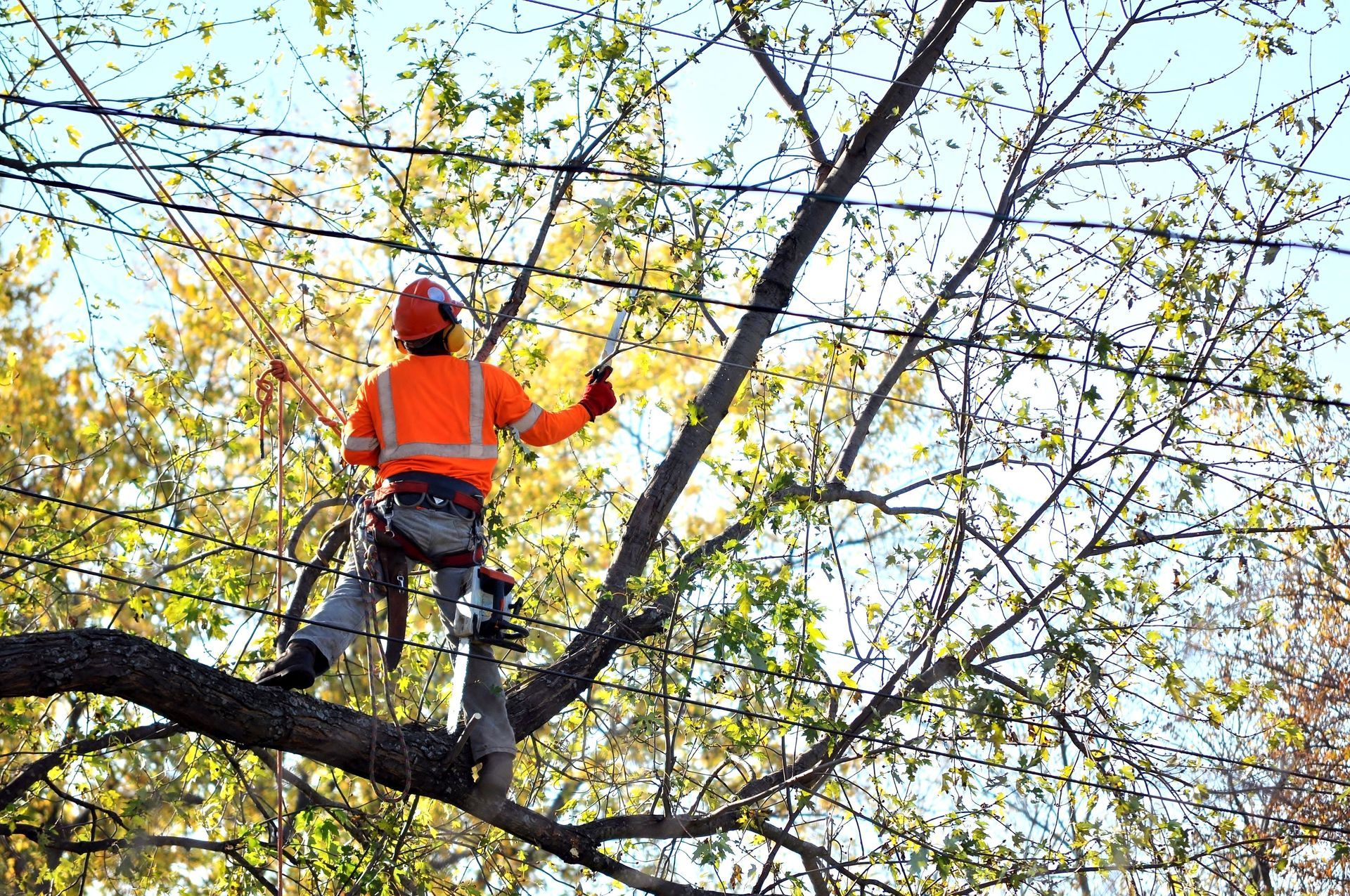
Tree pruning, while straightforward in concept, involves various safety considerations that homeowners must heed. Ensuring the structural integrity of the tree and being aware of surroundings, especially power lines, is vital. Falling branches or unbalanced trees pose significant risks to people and property.
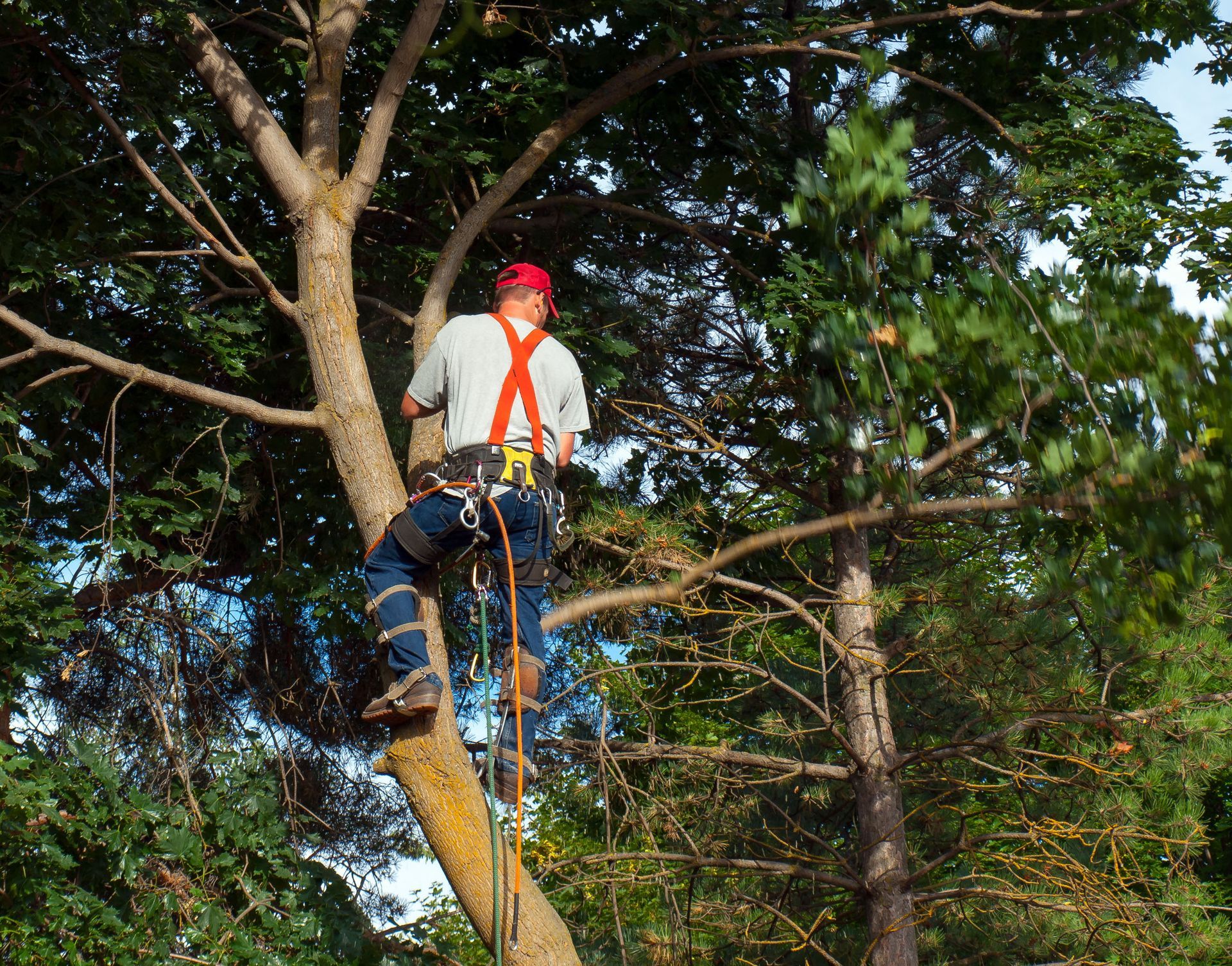
Understanding one's limitations is crucial. If a task seems too dangerous or complex, it is best to consult a professional. Arborists are trained to handle these scenarios safely, preventing potential accidents during the pruning process.
Also, maintaining a safe work area is important; ensure family members and pets are kept away from the work zone. Proper safety gear, such as protective eyewear and gloves, should be worn at all times. Following these precautions helps ensure that tree pruning is a safe and successful task.
Pruning Young Trees Versus Mature Trees
Establishing Structure in Young Trees
The first few years of a tree's life are crucial for establishing structural integrity. Proper pruning during these early stages can ensure the future health and stability of the tree. Young trees require selective pruning to remove problem areas, such as crossing branches or forks, that may lead to weak points as the tree matures.
Pruning young trees helps establish a strong central leader, the primary vertical stem, and develop a balanced branch framework. This process helps avoid problems such as co-dominant trunks, which may lead to breakage or splitting. Careful attention to these aspects can significantly enhance the tree's longevity and reduce future maintenance needs.
The emphasis is on minimal intervention, only removing parts that will benefit the tree's long-term health. Maintaining a light hand is essential, allowing the tree to develop naturally while guiding its growth strategically. Employing expert advice or research can help homeowners make informed decisions when pruning young trees.
Maintaining Health in Mature Trees
Pruning mature trees requires a different approach, focusing mainly on maintaining health and removing hazards. Mature trees have established forms, and excessive pruning can lead to unnecessary stress and decline. For mature trees, the goal is to preserve existing structures and remove dead or diseased parts as necessary.
A regular pruning routine helps enhance sunlight exposure and improves air flow throughout the canopy. Keeping mature trees healthy also involves addressing structural issues, such as weak crotches or excessive vegetation weight. This proactive care ensures that the tree remains a safe and beautiful part of the landscape.
According to the online platform Forestry, an effective strategy for mature trees is to have them inspected and pruned by a specialist every 2–3 years. Professional assessment can aid in pinpointing potential problems early and provide guidance on appropriate actions. Homeowners should also be vigilant about noticing changes in the tree's health or stability.
Knowing when and how to prune can prevent potential damage to trees that can result from improper techniques. Proper pruning leads to stronger and healthier trees that require less maintenance and are more resilient to diseases. Moreover, well-maintained trees can significantly enhance the aesthetic value of a home, creating a more welcoming and attractive environment. If you're looking for reliable and experienced
tree pruning, reach out to D&S Tree Service today to learn more about our tree care services!
Share On: